Atlantic Wall
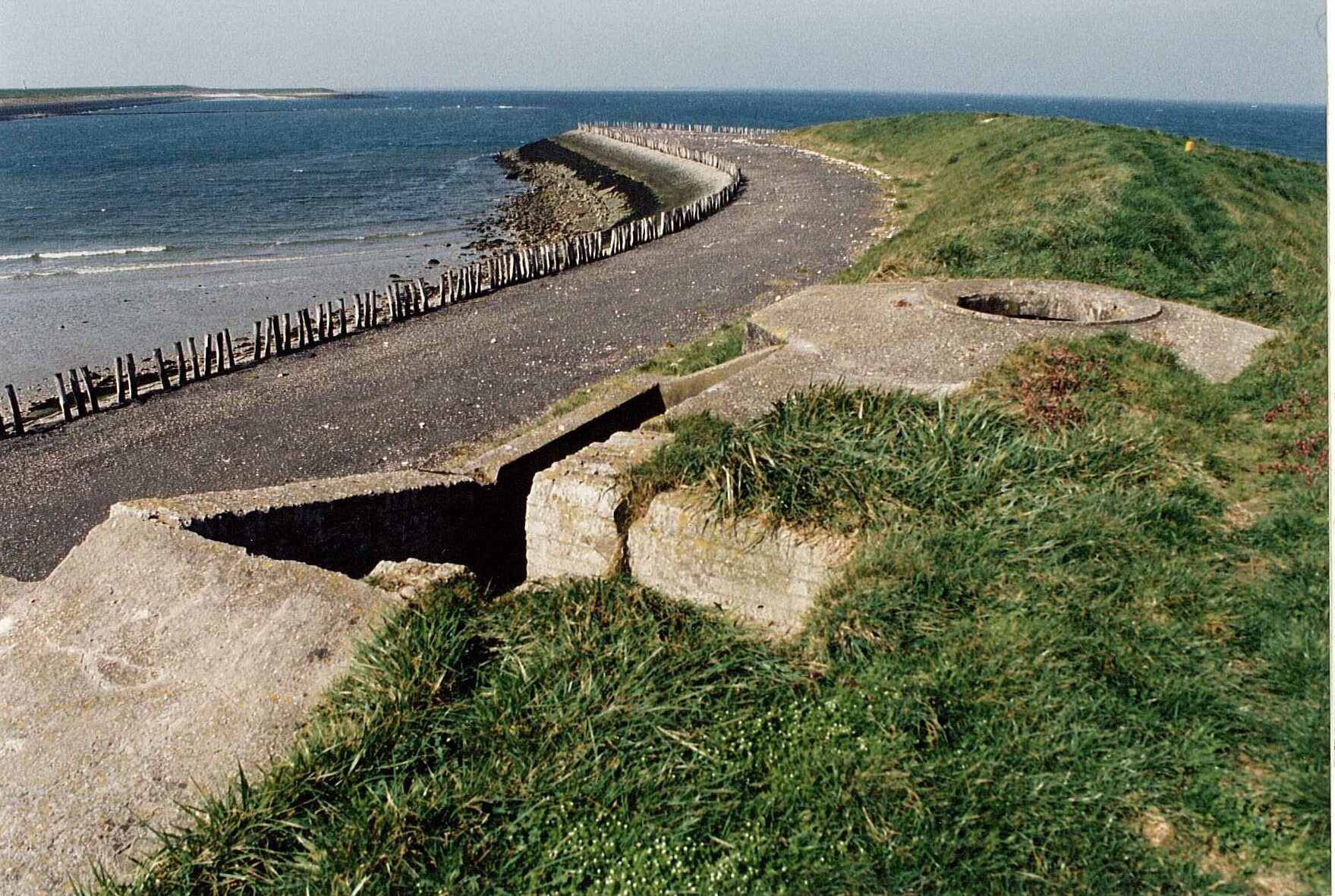
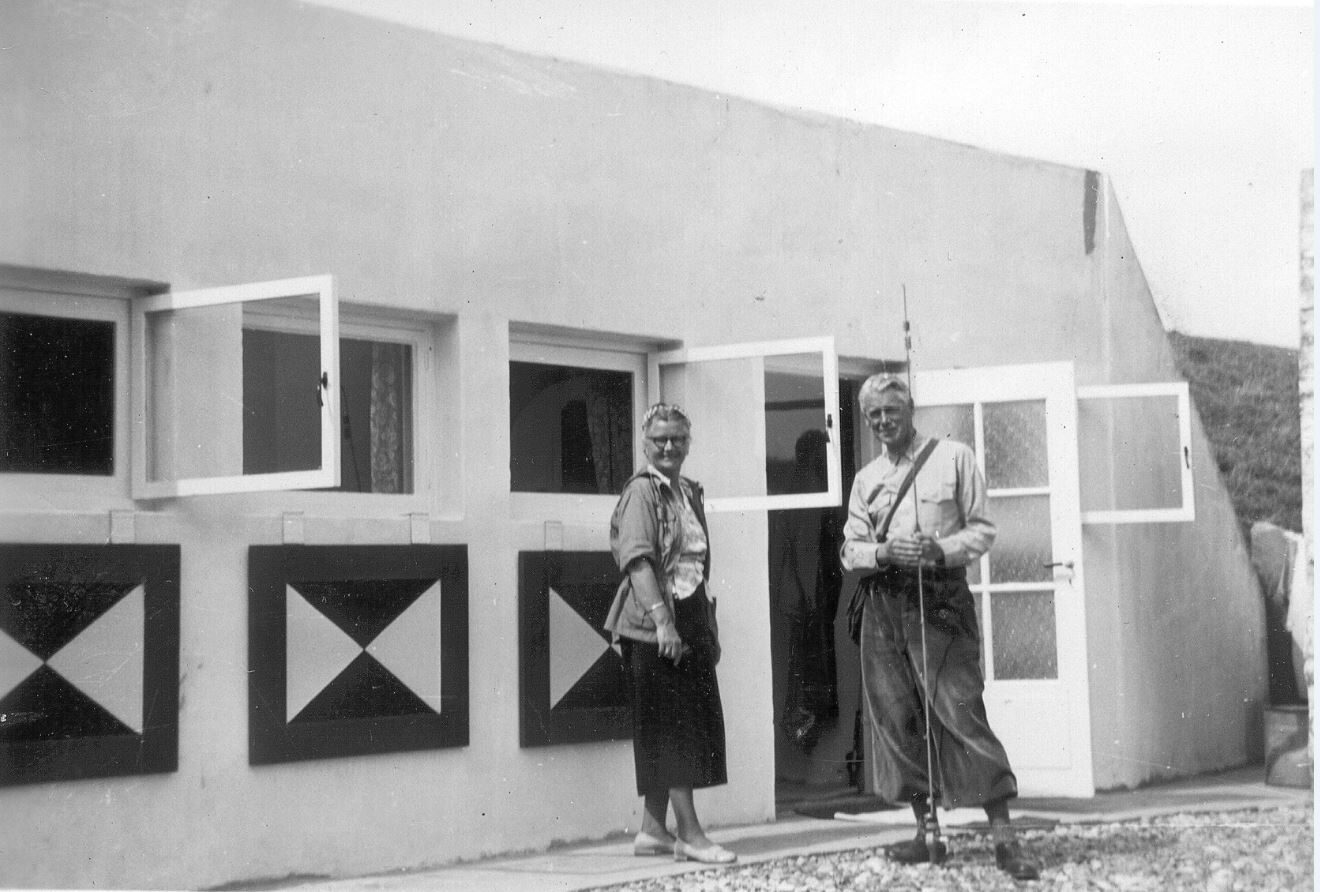
During the occupation by the Germans in 1940-1944, they wanted to prevent an Allied landing and therefore built a 5000-km-long defensive line along the coast, from Norway through France. This included the placement of bunkers, minefields and cannons at strategic points. The western shores of Tholen and Sint Philipsland were also equipped with bunkers and gun positions to prevent Allied landings. A large part of the polder land of Stavenisse was also turned into a minefield. In 1944 the two islands were also completely flooded. The ruins of of ‘Widerstandnests’ can still be found at the extreme western points. The majority of the bunkers have disappeared beneath the ground as a result of the dikes being raised. Two personnel bunkers can still be found here, and a ‘Tobruk’.
Floods
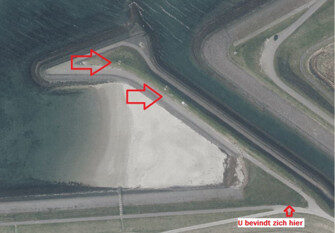
The floods of 1953 revealed that the bunkers which the Germans had built in or on the dikes had undermined the solid construction of the dikes. Particularly in those places the dikes were broken through, and the power of the water even moved the concrete giants. These bunkers have all been demolished. This was the reason to remove the bunkers from later dike reinforcements in other places such as Gorishoek and Sint-Annaland.
Tobruk